Director: Marc Forster
Production Designer: Nigel Phelps
Studio: Paramount Pictures
Starring: Brad Pitt
Locations: Glasgow, London and across the UK
Location Scouting for World War Z
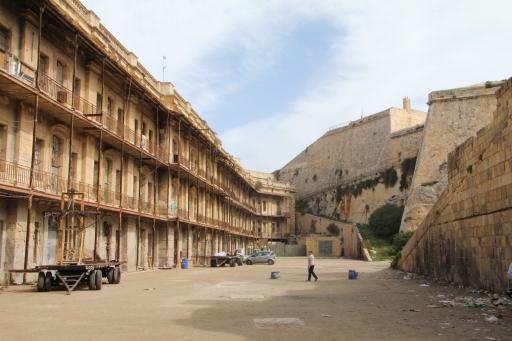
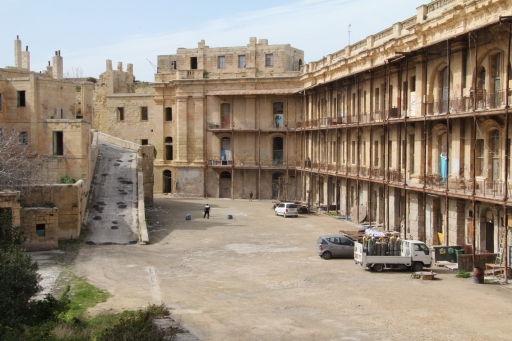
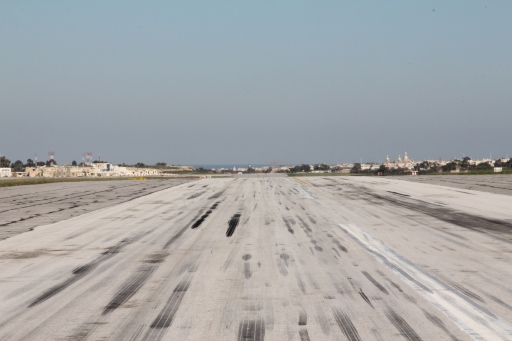
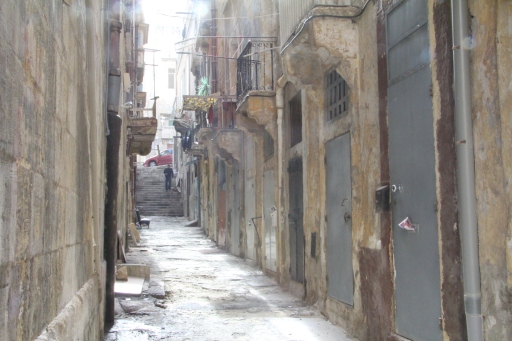
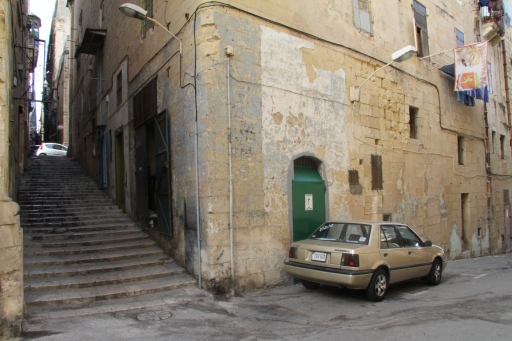
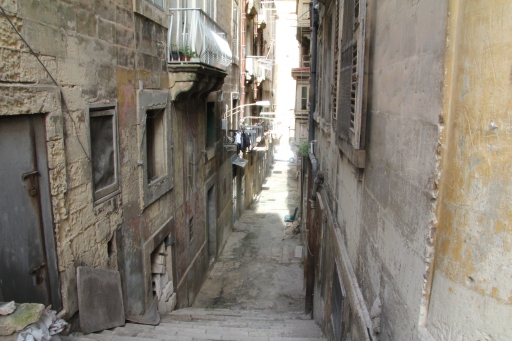
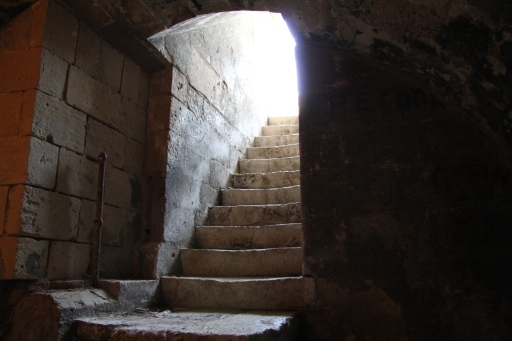
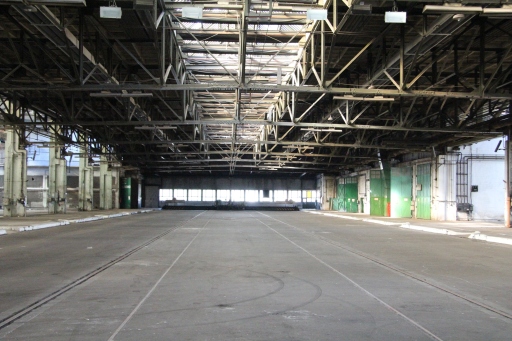
I joined World War Z in 2011, initially to scout Malta for the Brad Pitt zombie epic.
At that stage, roughly half of the movie was planned for the UK and Malta, with major sections of the film due to shoot in Philadelphia.
Then the production changed dramatically.
The planned Philadelphia filming was no longer going ahead and suddenly huge sections of American location work needed to be brought back to the UK.
We needed American-looking streets, intersections, bridges and cityscapes.
And we needed them quickly.
Finding an American City in the UK
The opening zombie outbreak sequence was enormous.
Initially we looked seriously at Canary Wharf in London for the major traffic sequence involving Brad Pitt and his family trapped in gridlocked streets as the outbreak begins.
We thought the sequence might be achievable across several weekends.
Then the full filming schedule became clear.
We needed 17 filming days.
At that scale, central London was going to be extraordinarily difficult.
So we staredt researching UK cities that might convincingly double for America.
Bristol.
Manchester.
Birmingham.
Then I saw a series of reference photographs on my desk.
“That’s Glasgow.”
I looked again.
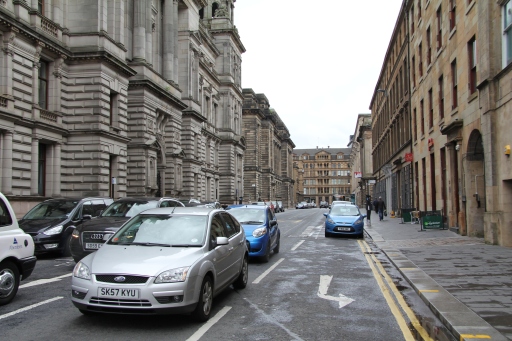
The grid streets, architecture and sheer scale of the city centre were remarkably convincing.
I flew up almost immediately.
Turning Glasgow into Philadelphia
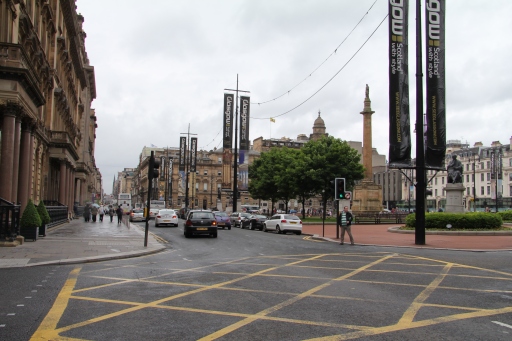
We took director Marc Forster and cinematographer Bob Richardson to Glasgow and began developing the sequence around George Square and the surrounding streets.
The city looked fantastic.
The bigger question was whether Glasgow would actually allow us to close such a large section of the city for the time we needed.
The answer came back.
Yes.
We could film for 17 consecutive days.
Suddenly we had our American city.
Huge sections of Glasgow city centre were transformed into Philadelphia with American police cars, yellow taxis, street signage, road markings, stunt rigs and thousands of extras.
The scale was extraordinary.
Glasgow worked brilliantly as Philadelphia and demonstrated just how convincingly a UK city could double for a major American location.
In the years that followed, numerous large-scale productions would also use Glasgow to recreate American cities.
Filming World War Z on RFA Argus
Elsewhere, the location brief required an aircraft carrier for the film’s naval sequences.
Finding one was not exactly a standard location scout.
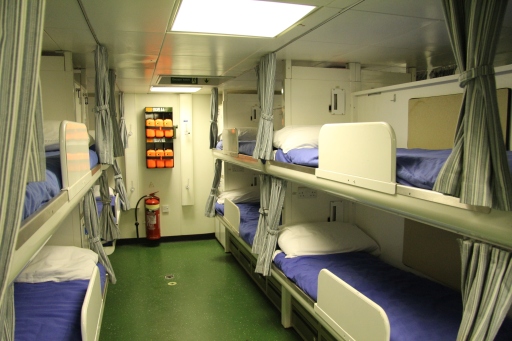
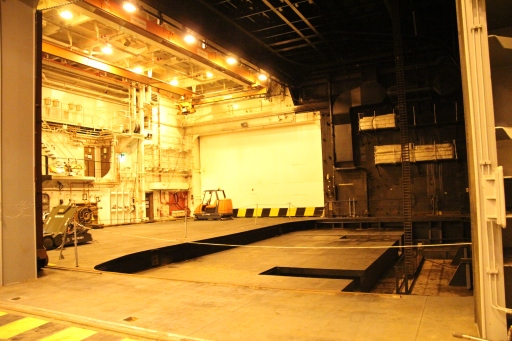
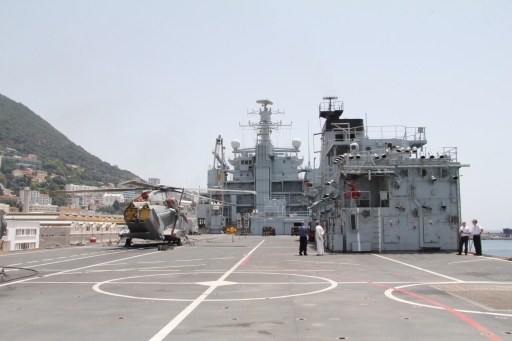
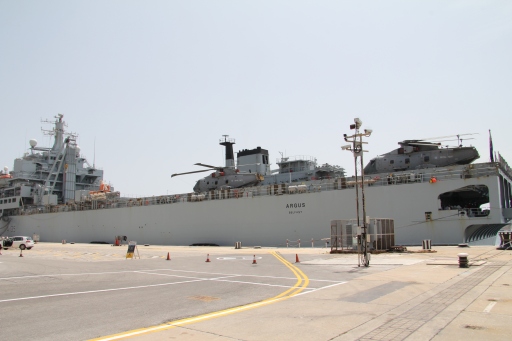
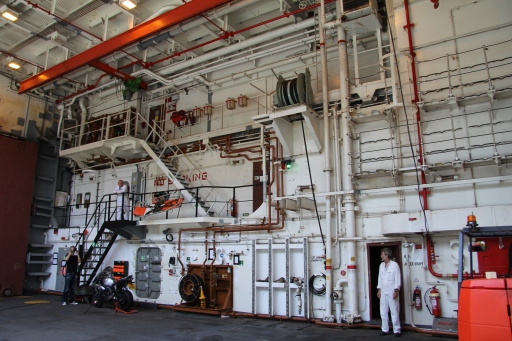
After extensive discussions with military contacts and the Ministry of Defence, we eventually secured RFA Argus, which had recently returned from operations near Libya.
The ship provided the huge working naval environment required by the production and became another example of the extraordinary scale of the location work on World War Z.
On a film like this, location scouting could mean finding an American city one week and trying to source an aircraft carrier the next.
From Balfron Tower to a 100-Foot Rooftop Set
Another major challenge involved the rooftop sequences.
We initially scouted the roof of Balfron Tower in East London, looking at how the brutalist architecture and distant housing blocks might work for the American cityscape required by the film.
The eventual solution was considerably more ambitious.
The rooftop environment was recreated approximately 100 feet above Aldershot Parade Ground on a huge scaffold structure surrounded by green screen.
What began as a London rooftop scout ultimately became an entirely constructed American cityscape.
It is a good example of how location scouting on large-scale feature films often develops.
The original scout might provide the architecture, geography or visual idea.
The final filming solution can become something completely different.
Scouting on the Scale of World War Z
World War Z was one of the largest and most complex productions I had worked on at that point in my career.
Huge crowd scenes.
Major road closures.
American cities recreated in Britain.
Military vessels.
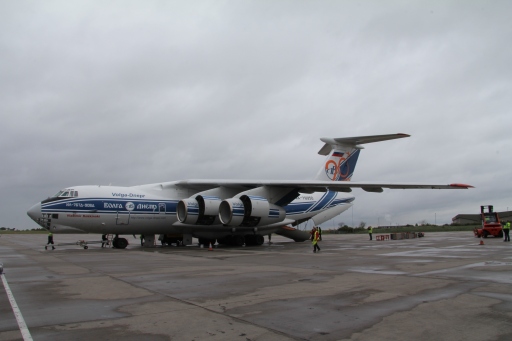
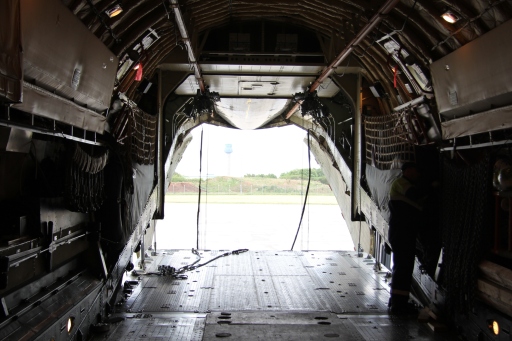
Airfields.
Massive constructed environments.
The scale of the location work was immense.
Looking back, the Glasgow sequence remains one of the clearest examples of what large-scale film location management can involve.
The challenge wasn’t simply finding somewhere that looked like Philadelphia.
It was finding a city with the right architecture and street layout, then working out whether it could physically accommodate a major Hollywood production for 17 consecutive filming days.
Glasgow could.
And the results speak for themselves.