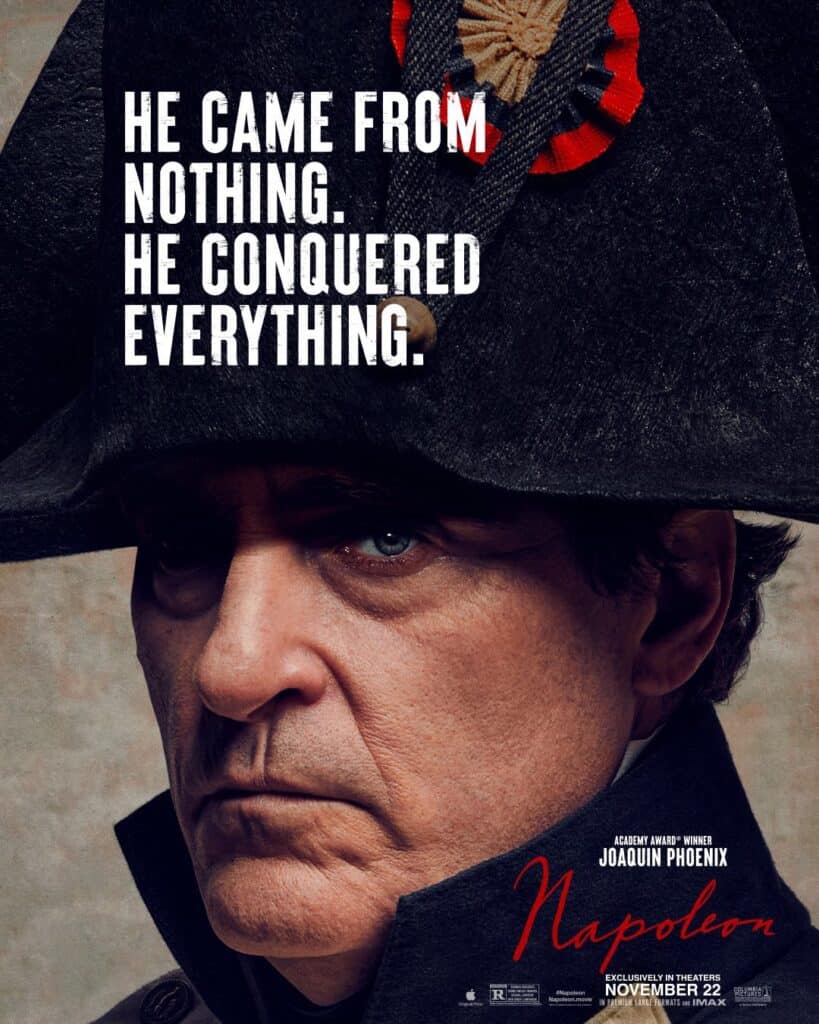
How we recreated Napoleonic Europe across Britain for Ridley Scott’s historical epic, starring Joaquin Phoenix and Vanessa Kirby.
Finding the right filming locations for Ridley Scott’s Napoleon was never going to be a straightforward assignment.
As Supervising Location Manager, heading up the location department, I was tasked with finding locations across Britain that could convincingly represent France, Belgium, Austria, Italy and Russia during the late 18th and early 19th centuries.
And Russia. No pressure.
From magnificent palaces and cathedrals to historic streets, country estates and vast battlefields, the challenge was to find places that could transport audiences back more than 200 years.
Working closely with Production Designer Arthur Max and the wider creative team, we searched for locations that could bring Ridley Scott’s vision to life.
But what made this production particularly unusual was the decision to shoot 100% of the film on location, without conventional studio set builds.
For a historical epic of this scale, it was an extraordinary undertaking.
Napoleon – A Historical Epic Filmed Entirely on Location
One of the most remarkable aspects of making Napoleon was that the entire production was filmed on location.
Over approximately 16 weeks, we filmed at around 35 locations, primarily across Britain, with additional filming in Malta.
Rather than relying on purpose-built studio environments, we used real historic buildings and landscapes to recreate Napoleon’s world.
Of course, filming entirely on location didn’t mean there was no construction or visual effects. Considerable work went into adapting and dressing locations, sometimes transforming them almost beyond recognition.
But the foundations of the film were real places.
For a production involving royal palaces, revolutionary Paris, cathedrals and enormous battle sequences, this presented a considerable challenge for the location department.
Every location had to work creatively, technically and logistically.
And with such an ambitious filming schedule, there was very little room for compromise.
Where Was Ridley Scott’s Napoleon Filmed?
Although the story takes audiences across much of Europe, many of the principal filming locations for Napoleon were found in the United Kingdom.
Britain’s extraordinary collection of historic buildings provided an opportunity to recreate the palaces, streets and interiors of Napoleonic Europe without constantly moving the production between countries.
Among the many remarkable locations used were Somerset House and St John’s, Smith Square in London, Blenheim Palace in Oxfordshire, West Wycombe House in Buckinghamshire, Lincoln Cathedral, the Old Royal Naval College in Greenwich and Bourne Woods in Surrey.
Each presented very different creative and logistical challenges.
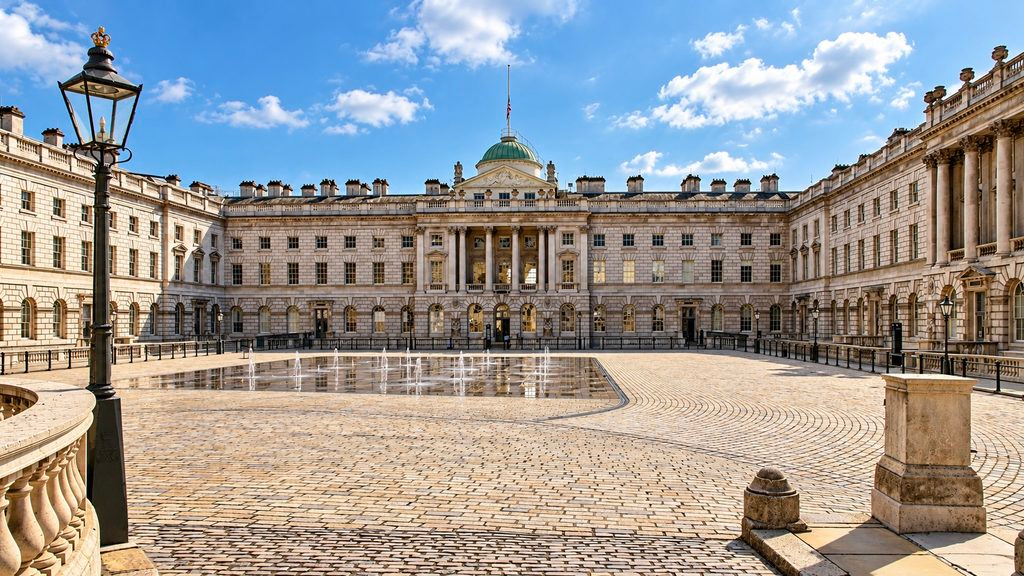
Somerset House, London – The Execution of Marie Antoinette
One of the film’s most striking opening sequences depicts the execution of Marie Antoinette during the French Revolution.
This scene was filmed at Somerset House in central London, where the magnificent courtyard was transformed into revolutionary Paris.
Somerset House provided the scale and classical architecture required for such an important moment in the story.
However, transforming one of London’s most recognisable historic landmarks into an 18th-century execution square was no small undertaking.
The combination of period set dressing, costumes, background artists and cinematography helped turn the familiar London courtyard into a convincing representation of revolutionary France.
It’s a wonderful example of how a location can be completely transformed for the screen.
St John’s, Smith Square, London – The Jacobin Club
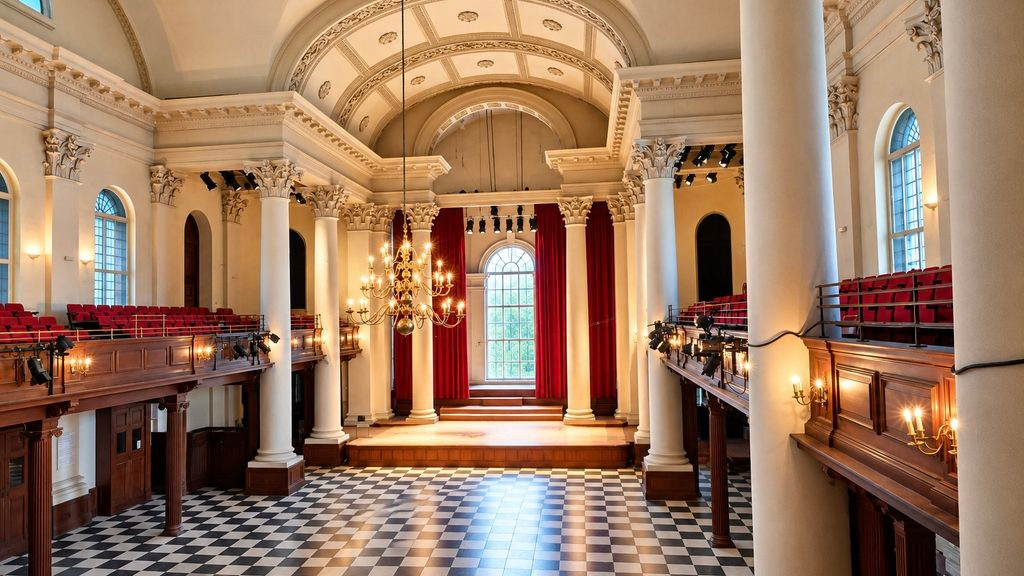
Another fascinating London location was St John’s, Smith Square, the magnificent Baroque former church in Westminster, which doubled for the Jacobin Club during the French Revolution.
The Jacobin Club was one of the most influential political organisations of revolutionary France, closely associated with the radical politics of the period and figures such as Maximilien Robespierre.
Finding a suitable location to represent such an important setting required an interior with the right scale, architectural character and atmosphere.
St John’s provided an impressive space, with its soaring columns, vaulted ceiling and galleries creating a suitably imposing backdrop for the political gatherings depicted in the film.
Although now used as a concert and events venue, the building retains much of its original 18th-century architectural character, making it particularly suitable for a historical production.
Through the work of Production Designer Arthur Max and the art department, the interior was transformed into a setting associated with one of the most turbulent periods in French history.
It’s another example of how an existing London building could be adapted to represent an entirely different place and purpose within Napoleon’s world.
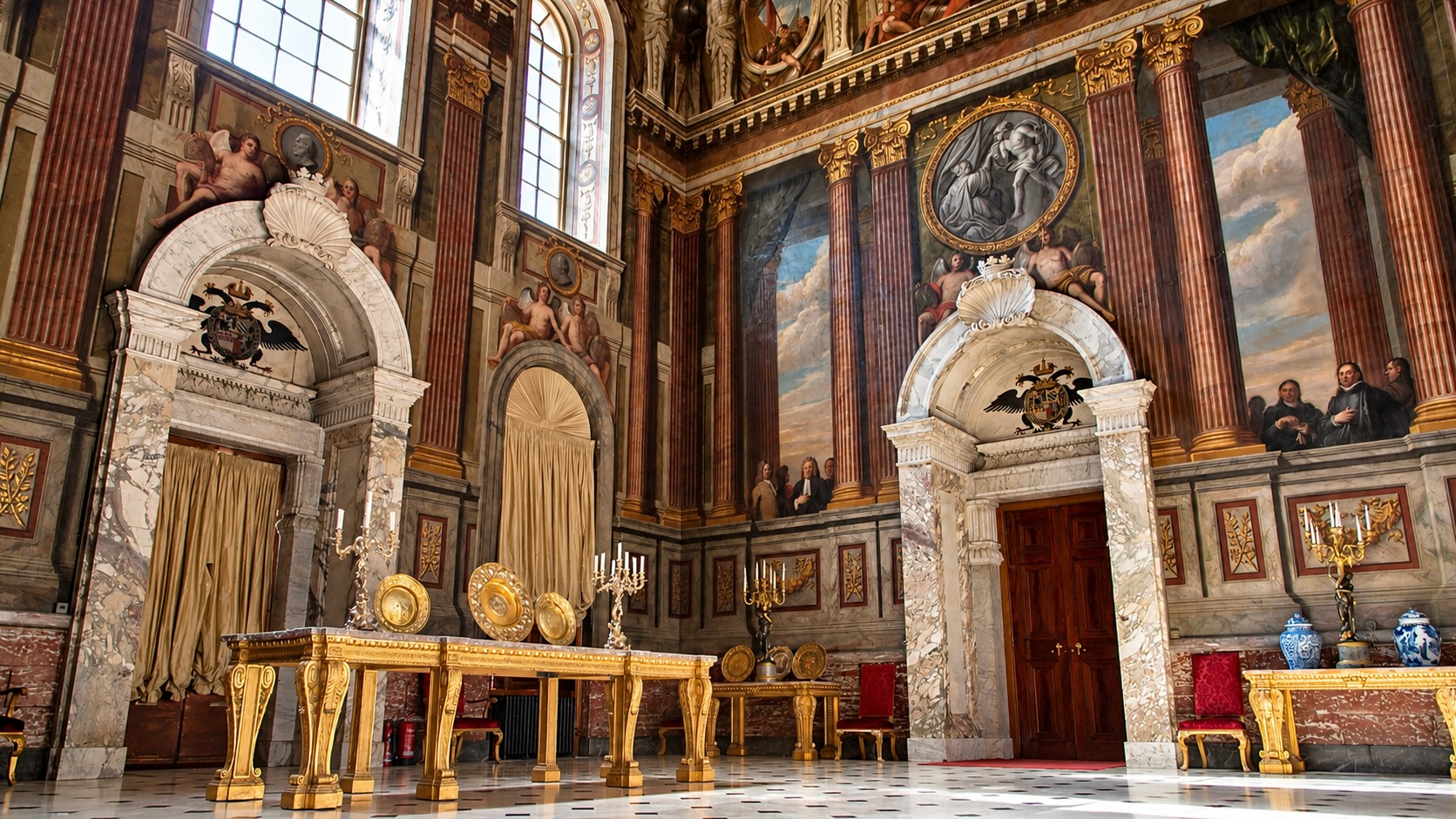
Blenheim Palace, Oxfordshire – Napoleon’s Imperial World
Blenheim Palace, near Woodstock in Oxfordshire, was another important filming location.
Its extraordinary Baroque architecture, magnificent interiors and extensive grounds made it particularly suitable for representing the grandeur of Napoleon’s imperial world.
Finding palace locations for a film like Napoleon presented an interesting challenge.
The buildings needed to be visually impressive, but they also had to possess the architectural character necessary to represent European royal and imperial residences.
Blenheim offered that scale and grandeur, providing an extraordinary backdrop for the production.
Of course, working within a UNESCO World Heritage Site also required considerable planning and care, particularly when accommodating the demands of a major feature film.
West Wycombe House, Buckinghamshire – Château de Malmaison
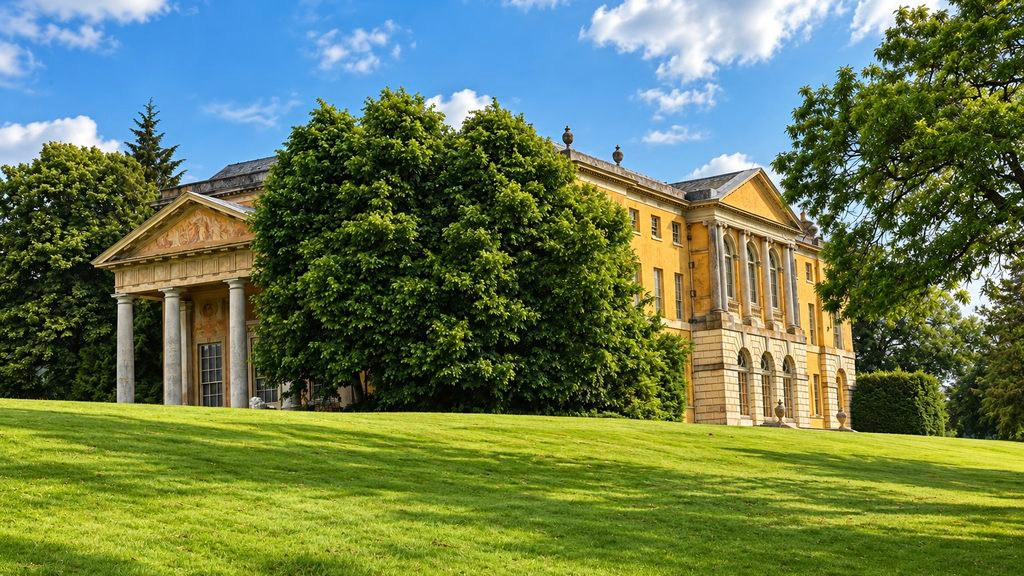
Another remarkable location used in Napoleon was West Wycombe House in Buckinghamshire, which doubled for the Château de Malmaison, the country residence of Napoleon and Joséphine Bonaparte.
The house, with its elegant Palladian architecture and magnificent interiors, provided a fitting setting for one of the more personal aspects of Napoleon’s story.
Unlike the imposing imperial palaces featured elsewhere in the film, Malmaison represented a more intimate world, closely associated with Napoleon’s relationship with Joséphine.
West Wycombe House offered the architectural character and period atmosphere needed to recreate this historic French residence.
As with so many locations on Napoleon, the challenge was finding somewhere that not only looked convincing on camera but could also accommodate the considerable practical demands of a major feature film.
The transformation of an English country house into Napoleon and Joséphine’s French residence was another example of the extraordinary versatility of Britain’s historic properties.
Lincoln Cathedral – Notre-Dame de Paris
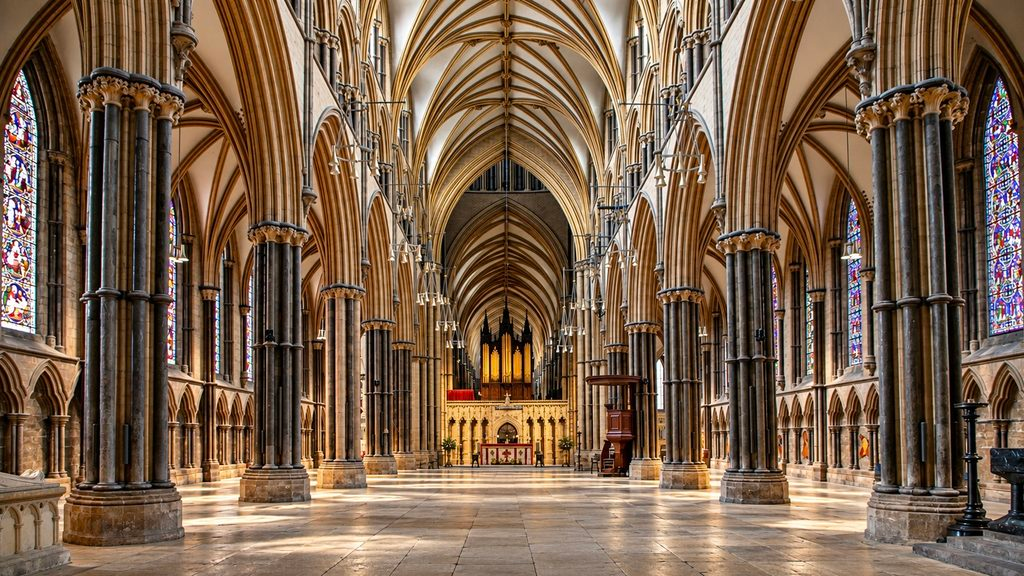
One of the most remarkable transformations was Lincoln Cathedral, which doubled for Notre-Dame Cathedral in Paris.
The cathedral was used for Napoleon’s coronation sequence, one of the defining moments in the film.
Finding a suitable location to represent Notre-Dame was particularly challenging.
The building needed to provide the scale, grandeur and ecclesiastical architecture appropriate for such an important historical event.
Lincoln Cathedral offered an extraordinary setting, with its vast interior and magnificent architectural details.
Through production design, lighting, costume and cinematography, the cathedral was transformed into the setting for Napoleon’s coronation as Emperor of the French.
It’s a particularly good example of how a British historic building can convincingly represent one of Europe’s most famous landmarks.
Old Royal Naval College, Greenwich – Château de Saint-Cloud
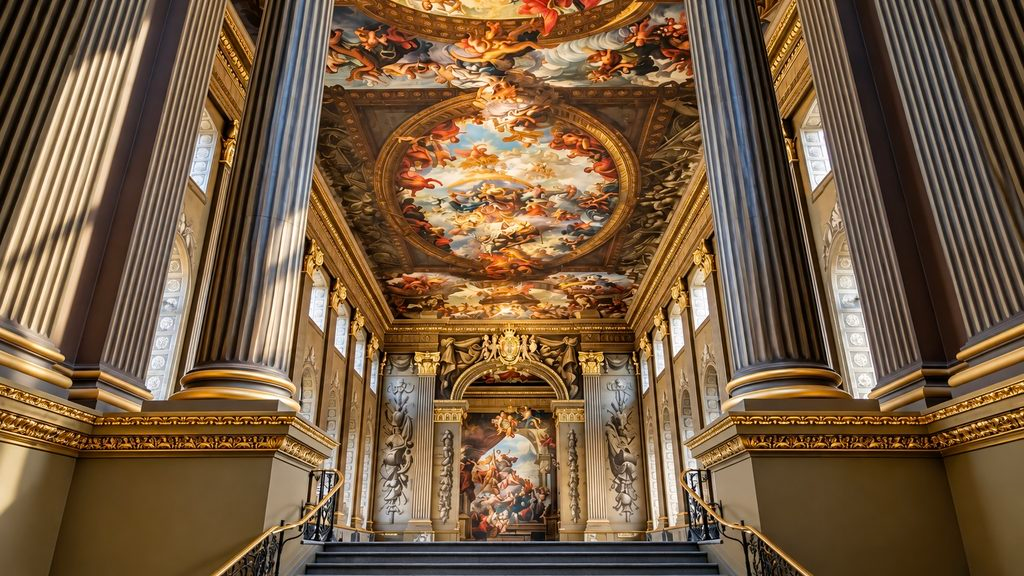
Another extraordinary location was the Old Royal Naval College in Greenwich, one of London’s finest historic architectural sites.
The magnificent Painted Hall doubled for the Château de Saint-Cloud, Napoleon’s residence and an important setting in his rise to power.
But the production’s use of Greenwich extended well beyond the Painted Hall.
We effectively took over the site for 17 days, transforming its courtyards, colonnades and surrounding architecture into the streets of revolutionary Paris.
The location was used for several different sequences, including scenes involving cannon fire and the attempted assassination of Napoleon.
What made Greenwich particularly interesting was the versatility of the site.
Different areas could represent entirely different environments within the same production, providing enormous creative possibilities.
However, filming in such an important historic location also brought considerable logistical challenges, from protecting the buildings to managing the infrastructure required for a major feature film.
I later spoke to Film London about the production’s use of Greenwich and the scale of the transformation.
You can read that interview here: The Making of Napoleon at the Old Royal Naval College – Film London.
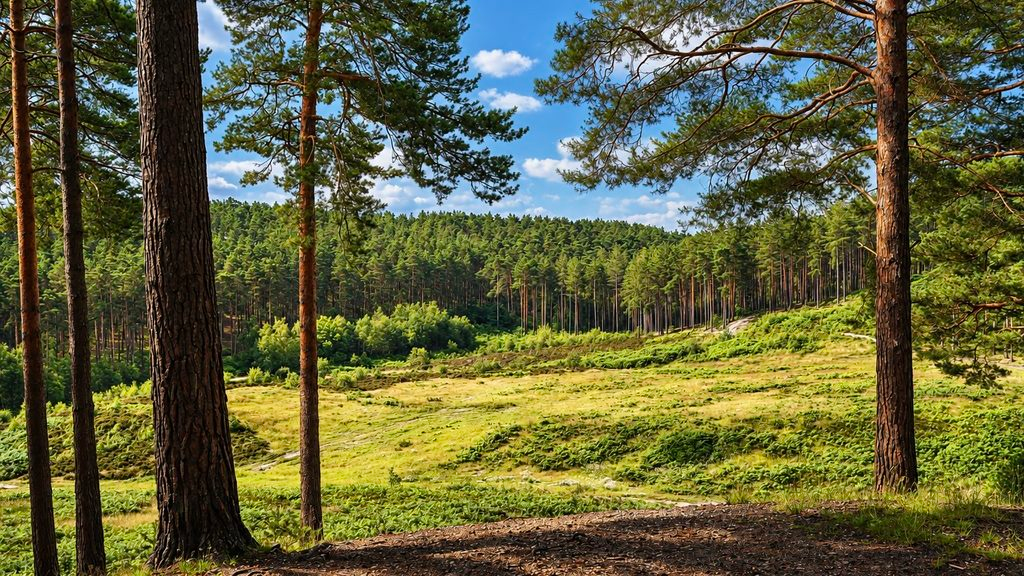
Bourne Woods, Surrey – The Battle of Austerlitz
The battle sequences were among the most ambitious elements of Napoleon, requiring enormous landscapes capable of accommodating large-scale military action.
Bourne Woods in Surrey was used for part of the Battle of Austerlitz, one of Napoleon’s most famous military victories.
Finding suitable landscapes for historical battle scenes presents a very different challenge from scouting palaces and historic buildings.
The terrain needs to work visually, but it must also accommodate substantial numbers of people, horses, vehicles, equipment and special effects.
Modern infrastructure can be particularly problematic, as anything contemporary appearing in the background risks undermining the period setting.
Bourne Woods offered a dramatic natural environment that could be adapted for the demands of the sequence.
For a production of this scale, the practical considerations were every bit as important as the visual qualities of the location.
Scouting Britain for Napoleonic Europe
One of the most fascinating aspects of working on Napoleon was the variety of locations required.
We weren’t simply looking for impressive historic buildings. We were looking for places that could convincingly represent different countries, periods and moments in Napoleon’s life.
A location might have the perfect architectural style but be surrounded by modern development.
Another might look extraordinary in photographs but prove unsuitable once the practical requirements of filming were considered.
Sometimes a building’s most interesting feature wasn’t its grand entrance or principal room, but a staircase, courtyard, corridor or architectural detail that could be incorporated into a scene.
This is where location scouting becomes particularly interesting.
It’s about recognising the potential of a place and imagining how it might appear once transformed by the production designer, art department and cinematographer.
Working with Production Designer Arthur Max and the wider creative team, the challenge was to find locations that could support Ridley Scott’s visual approach while remaining practical for a production of this size.
The Challenges of Filming Napoleon Entirely on Location
Filming a historical epic entirely on location presented some considerable challenges.
Unlike a contemporary production, where modern buildings and infrastructure can often remain visible, a period film requires far greater control over the environment.
Road markings, signage, lighting, security equipment and neighbouring developments can all become obstacles.
Historic properties also require particular care.
Many of the buildings used on Napoleon were architecturally significant, and protecting their interiors and surroundings was an essential part of the planning process.
Then there were the practical demands of the production itself.
Large crews, substantial technical equipment, period vehicles, horses, hundreds of background artists and the infrastructure needed to support them all had to be accommodated.
And because the film was shot entirely on location, there was little opportunity to retreat to a controlled studio environment when the weather or other practical difficulties intervened.
Every location brought its own set of challenges.
But that was also what made the project so interesting.
From Scouting Photograph to Finished Film
One of my favourite aspects of location management is seeing how a location develops from the initial scout into the finished scene.
This was particularly striking on Napoleon.
A historic building that might appear unmistakably British during an initial visit could, through the combined work of the production designer, art department, costume department, cinematographer and visual effects team, become a convincing representation of continental Europe.
Looking back at my original scouting photographs alongside images from the finished film is a reminder of just how much work goes into creating these environments.
Sometimes the transformation is relatively subtle.
On other occasions, the difference is extraordinary.
And occasionally, the most impressive locations require surprisingly little alteration because the architecture itself is already so remarkable.
For me, this is one of the most rewarding parts of the job.
A location discovered during an ordinary scouting day can eventually become part of a major cinematic sequence watched by millions of people.
Looking Back at Ridley Scott’s Napoleon
Looking back at Napoleon, what stands out is the sheer scale of what we achieved.
As Supervising Location Manager, overseeing a production filmed entirely on location presented an extraordinary range of challenges, from securing some of Britain’s most important historic buildings to accommodating the demands of major battle sequences.
From the grandeur of Blenheim Palace and Lincoln Cathedral to the courtyards of Somerset House, the Painted Hall at Greenwich, West Wycombe House, St John’s, Smith Square and the landscapes of Bourne Woods, the production brought together an extraordinary collection of locations.
What makes the film particularly remarkable is that these weren’t simply occasional location sequences incorporated into a studio-based production.
The entire film was made on location.
Seeing those locations transformed into revolutionary Paris, Napoleon’s imperial palaces and the battlefields of Europe was enormously rewarding.
For me, that’s the fascination of location management: finding real places and helping transform them into entirely different worlds.