Some productions require spectacular landscapes or famous landmarks. Others rely on locations that quietly create an atmosphere and become part of the storytelling.
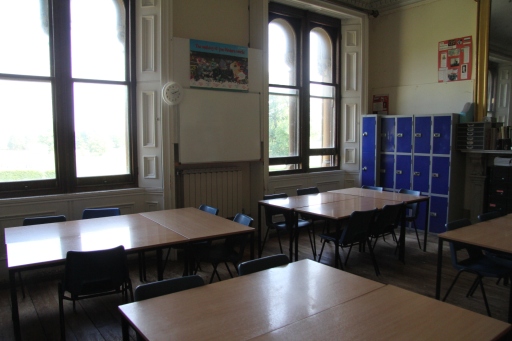
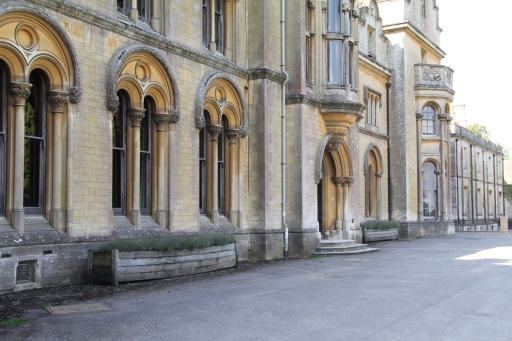
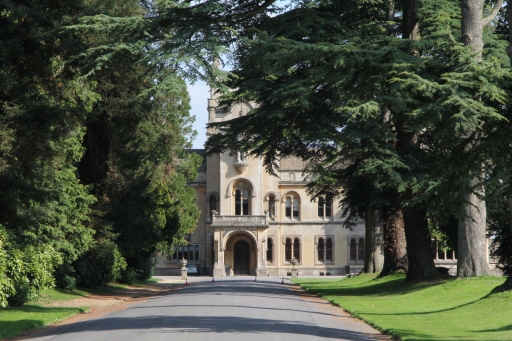
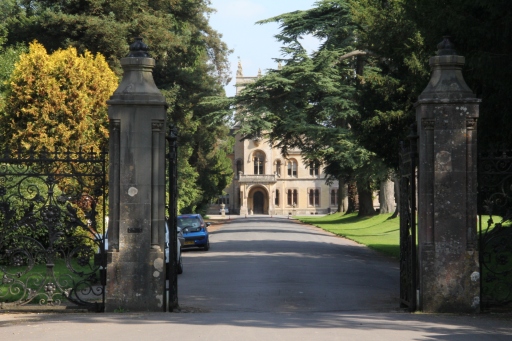
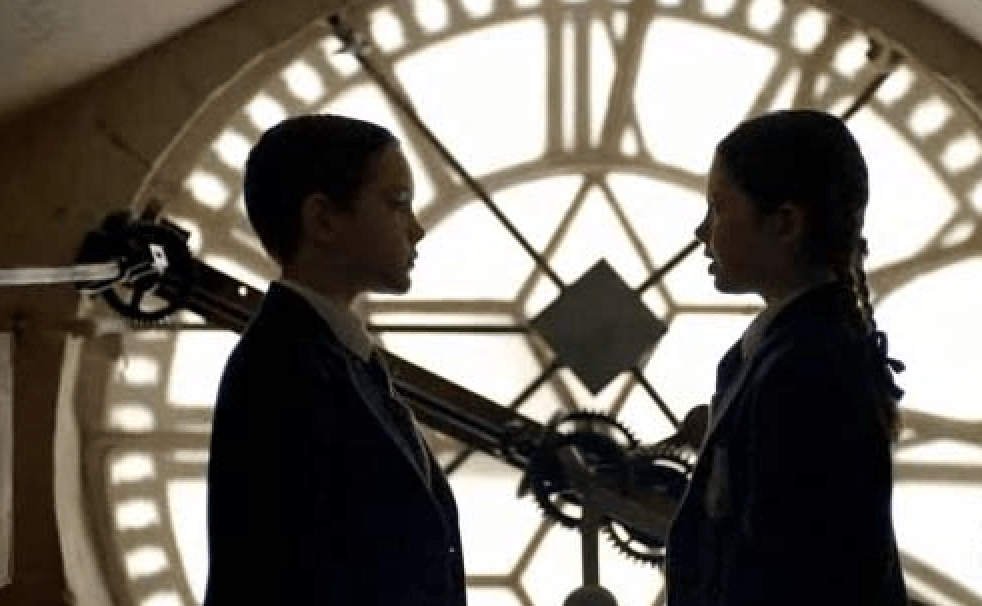
That was exactly the challenge when I worked as Location Manager on the Solvil et Titus television commercial directed by David Tsui. The brief was to find a quintessential English village, together with a characterful school, that would provide the backdrop for another chapter in the brand’s internationally acclaimed ‘Time Is Love’ campaign.
On paper it sounded simple.
“Find the perfect English village.”
In reality, those are often the hardest briefs.
Why Castle Combe?
After scouting numerous locations, one village stood out immediately.
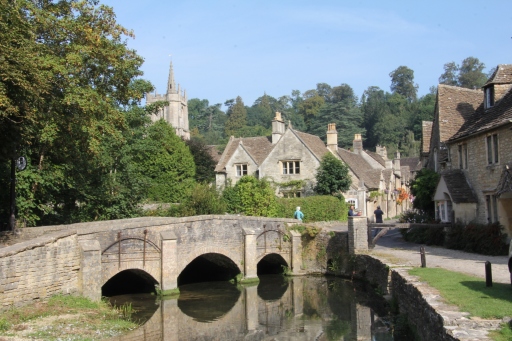
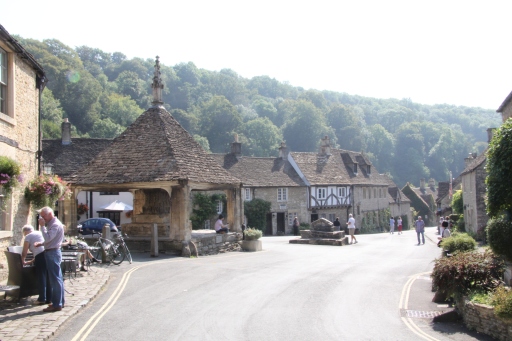
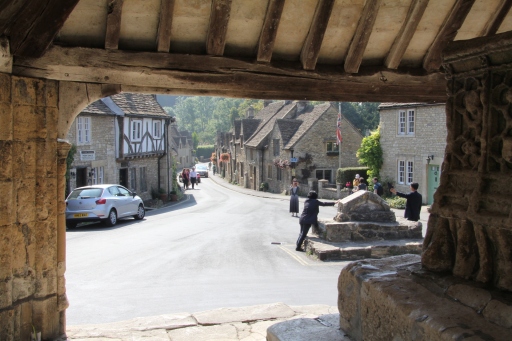
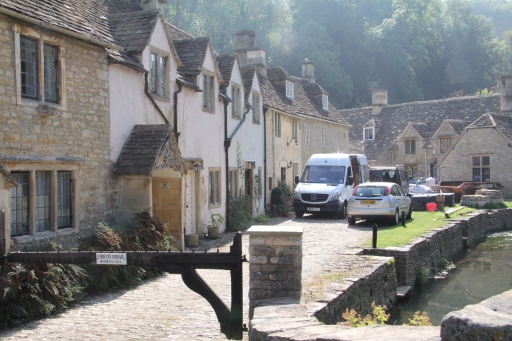
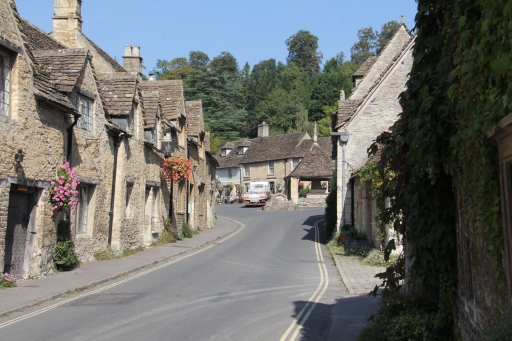
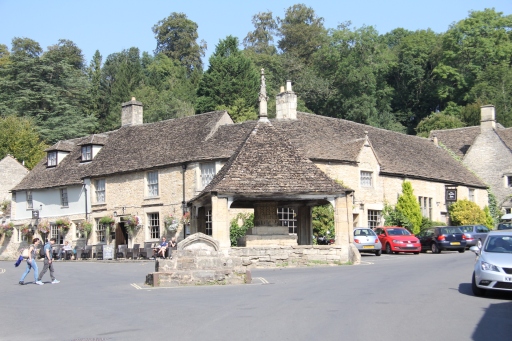
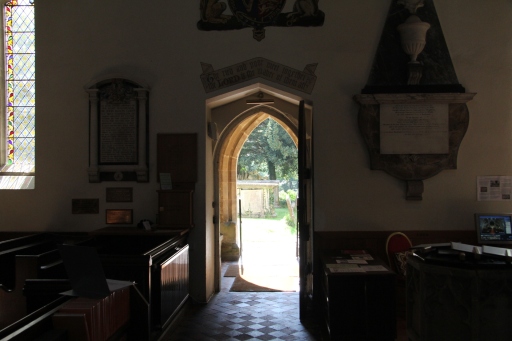
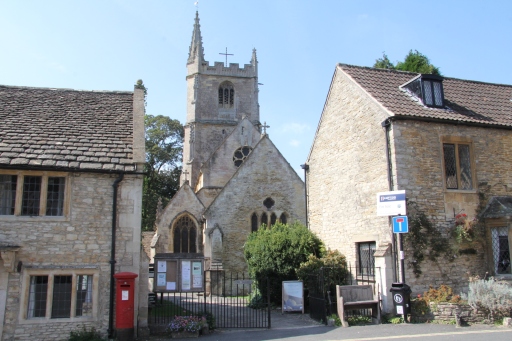
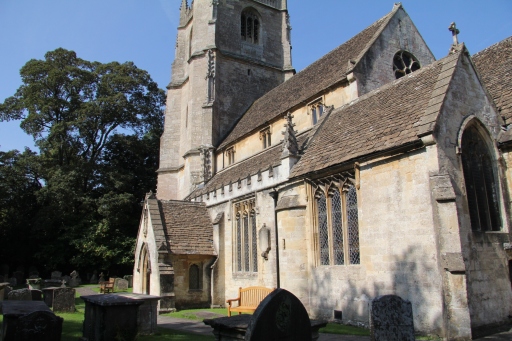
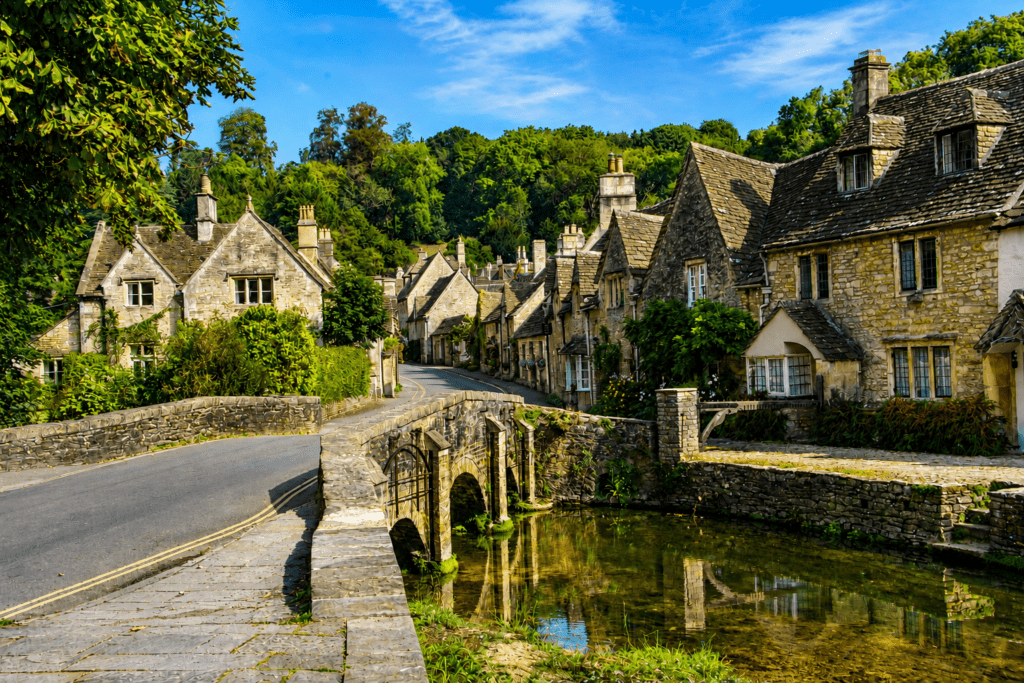
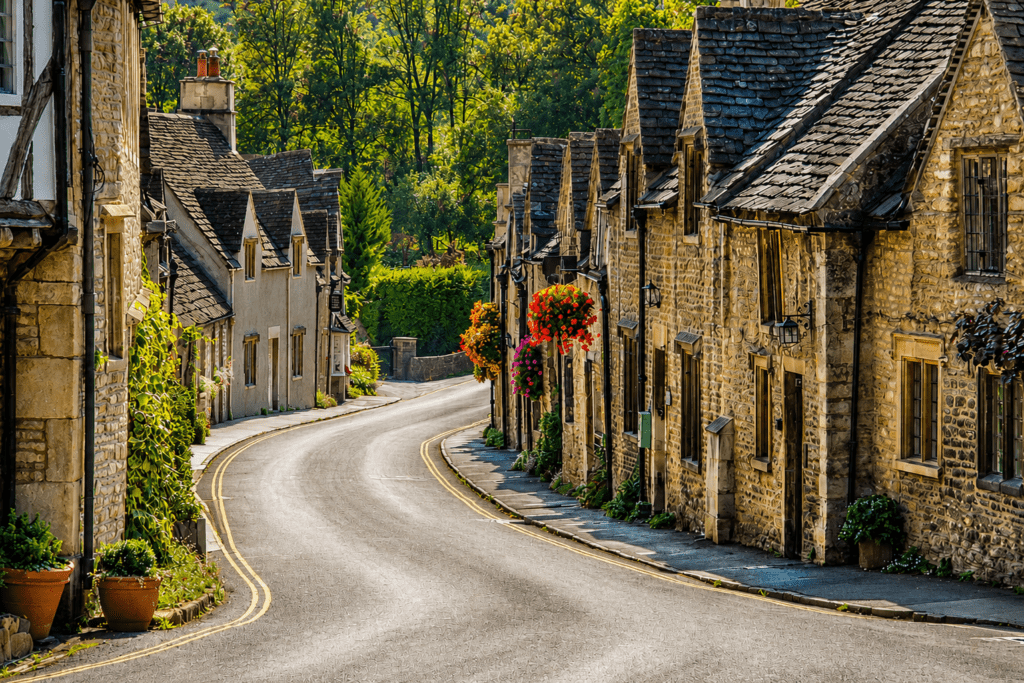
Nestled in the heart of the Cotswolds, Castle Combe is widely regarded as one of England’s most beautiful villages. With its honey-coloured limestone cottages, medieval stone bridge, narrow winding streets and complete absence of modern development, it possesses a timeless quality that filmmakers are continually drawn back to.
It is easy to understand why.
Steven Spielberg selected Castle Combe for scenes in War Horse, while Matthew Vaughn used the village in the fantasy adventure Stardust. Its remarkable ability to transport audiences to another time has made it one of Britain’s most recognisable and sought-after filming locations.
For the Solvil et Titus commercial, Castle Combe wasn’t simply a beautiful backdrop; it became part of the story itself. Every frame conveyed warmth, nostalgia and understated romance, perfectly complementing David Tsui’s beautifully observed style of filmmaking.
More Than Just a Pretty Village
Beautiful locations are only half the equation.
As a Location Manager, my job is to find places that satisfy both the creative vision and the practical realities of filming.
That means considering far more than how somewhere looks on camera.
Can production vehicles gain access?
Where will the unit park?
Can equipment be moved efficiently?
How do we minimise disruption to residents and visitors?
Can we achieve every camera angle the director wants?
These are the questions that determine whether a location works in practice.
Castle Combe ticked every box. Its timeless architecture provided exactly the atmosphere the director wanted, while careful planning allowed production to work within one of England’s most photographed villages.
Behind the Clock at Bath Abbey
One of the more memorable locations on the shoot couldn’t have been more different.
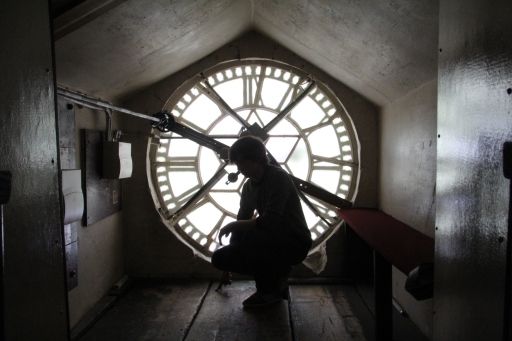
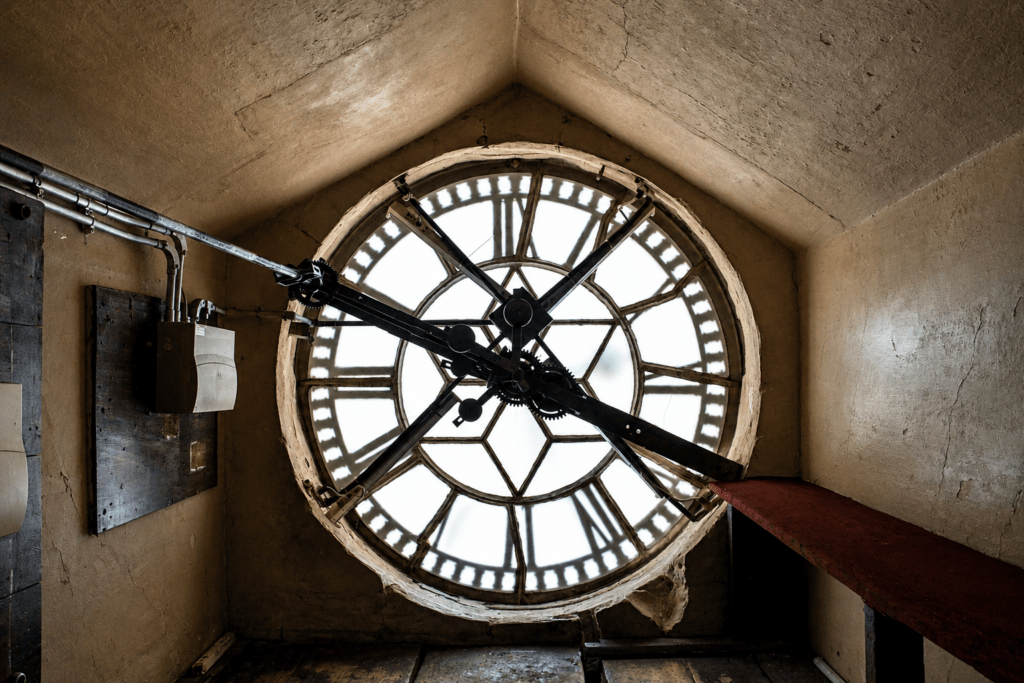
High above the streets of Bath, hidden within the roof space of Bath Abbey, sits its magnificent historic clock mechanism.
Very few visitors ever get the opportunity to see it.
Reaching the clock wasn’t simply a matter of climbing a staircase. To gain access, we first had to crawl our way through the ancient timber rafters before carefully making our way along the narrow parapet that runs behind the enormous clock face itself.
It’s certainly not somewhere for anyone uncomfortable with heights.
Standing behind the huge illuminated dial, surrounded by the original Victorian gears and mechanical workings, was an extraordinary experience. Looking out across the rooftops of Bath through the translucent clock face offered a completely different perspective of one of Britain’s finest historic buildings.
These are the hidden places that most people never see.
One of the great privileges of working as a Location Manager is being granted access to remarkable spaces tucked away inside famous buildings—places that may appear on screen for only a few seconds but leave a lasting impression.
Every Location Tells Part of the Story
Commercials often have less than ninety seconds to tell a complete story.
That means every location has to work incredibly hard.
Castle Combe immediately communicates warmth, tradition and timeless English charm.
Bath Abbey’s historic clock mechanism evokes craftsmanship, heritage and the passing of time.
Together, they created exactly the atmosphere the Time Is Love campaign required.
Great locations don’t simply provide a backdrop.
They become part of the narrative.
Why I Still Love Location Scouting
After almost thirty years working as a Location Manager on feature films, high-end television dramas and commercials, projects like this continue to remind me why I love the job.
Every production presents a different challenge.
Sometimes that means searching for the perfect village hidden away in the Cotswolds.
Other times it means squeezing through centuries-old roof spaces inside one of Britain’s most famous abbeys to discover a location that very few people will ever experience.
The audience may never know exactly where every scene was filmed, but they will always remember how those places made them feel.
And that’s what great location scouting is all about.
Production Information
Director: David Tsui
Production Company: Moviola / LK Production Services
Client: Solvil et Titus
Principal Locations: Castle Combe, Wiltshire & Bath Abbey, Somerset
Location Brief: Quintessential English village and historic architectural interiors