London filming locations offer an extraordinary level of versatility, and for me that is one of the main reasons the city has become one of the leading production hubs in the world.
Yes, the UK has a competitive tax incentive, highly experienced crews and some of the best department heads in the business. We also tend to put our heads down and get on with it.
But one of London’s greatest strengths is simply the extraordinary variety of locations on offer.

I have been scouting and filming in London for nearly 30 years, and during that time I have used the city to depict London itself countless times.
On Richard Curtis’s About Time, London was very much London. The same was true of Tinker Tailor Soldier Spy and Kingsman: The Secret Service, although each of those films required a completely different version of the city.
That in itself says a lot about London.
You can find grand Georgian squares, Victorian terraces, traditional residential streets, government buildings, historic institutions, markets, railway arches, warehouses, canals, docks, tower blocks, brutalist estates, modern glass offices, rooftop skylines and some of the finest period architecture in the world.
But where London can really shine is when it is asked to become somewhere else entirely.
On Venom: Let There Be Carnage, London doubled for San Francisco.
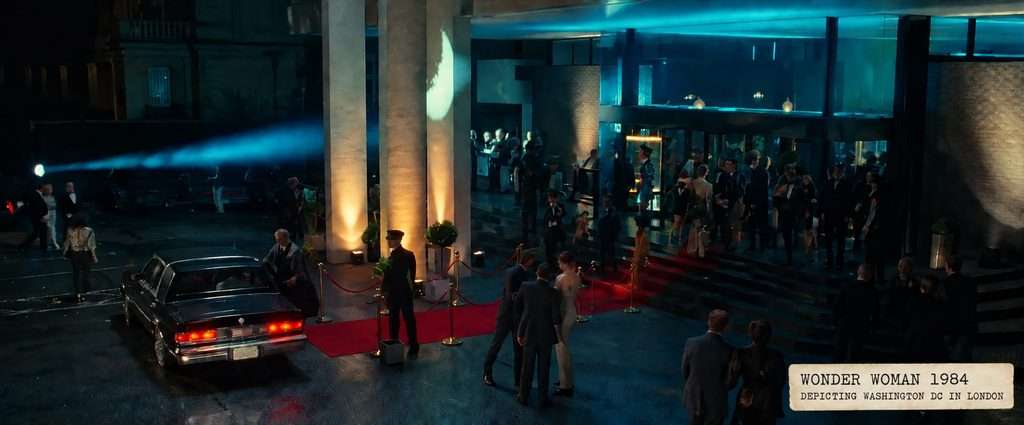
On Wonder Woman 1984, parts of London became Washington DC.
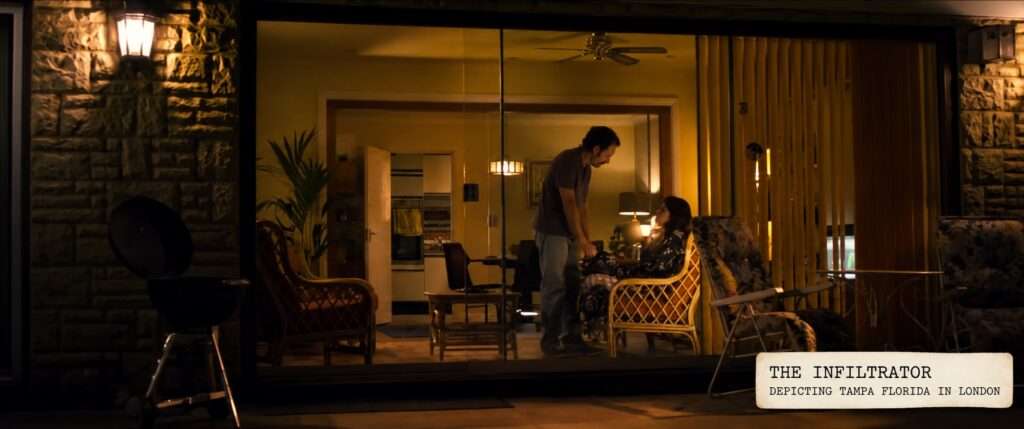
On The Infiltrator, we used London and the wider UK to help create Tampa, Florida and Colombia.
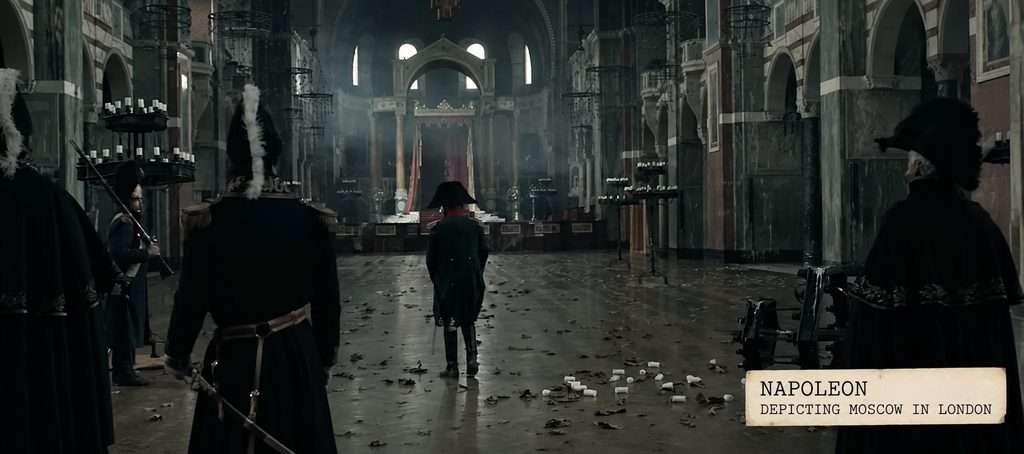
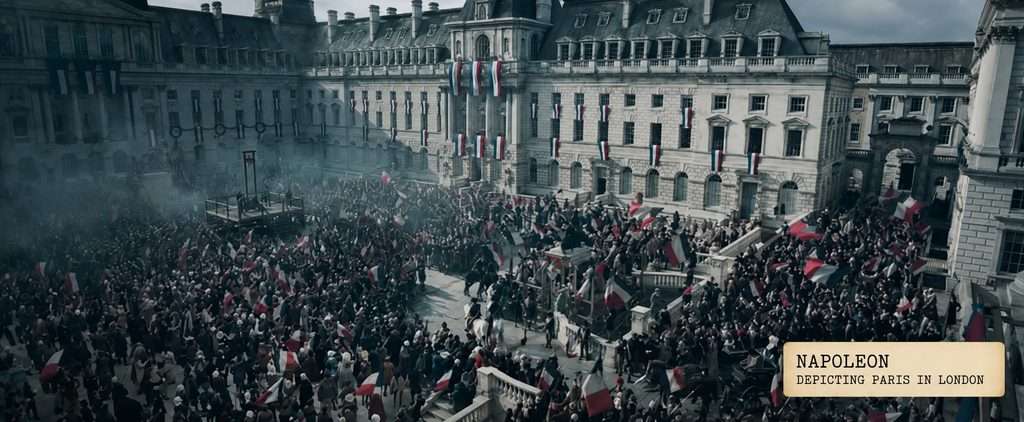
On Napoleon, locations across London and the UK helped us depict Paris, Moscow and other parts of France, Austria and Russia.
On American Assassin, we transformed Croydon in South London into Istanbul.
And on MobLand Season 1, London even became a Moroccan café in Antwerp, Belgium.
That ability to transform is one of the things that makes London such a remarkable filming city.
London can be London, Washington DC, Paris, Istanbul, San Francisco, Antwerp or even Florida.

The options are almost endless.
Within a relatively small geographical area you can move from a grand period square to a modern financial district, from an industrial backstreet to a riverside location, from suburban housing to imposing civic architecture.
Travel a little further out and the range becomes even greater.
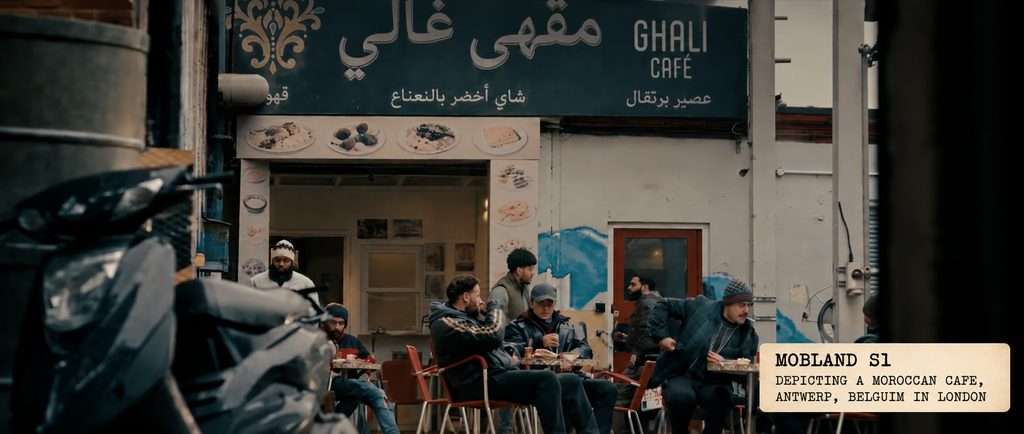
That versatility is hugely valuable to filmmakers, particularly when a production needs to create several different countries or cities without constantly moving the entire company around the world.
There is also, of course, the infrastructure behind it.
London has experienced crews, major studios within easy reach, extensive equipment hire, transport, hotels, post-production, visual effects and a huge network of people who have spent their careers servicing large-scale international productions.

But locations remain at the heart of it.
Few major production cities can offer that kind of coverage within such a relatively small geographical area.
After nearly 30 years scouting London, I still regularly find streets, buildings and spaces I have never seen before.
That is probably the greatest strength of London from a Location Manager’s point of view.
It never really runs out of possibilities.
And whether you are looking for London itself, or somewhere that needs to become Washington, San Francisco, Paris, Istanbul, Florida, Antwerp — or somewhere entirely different — there is a very good chance London can give you an answer.