The MobLand filming locations for Season 1 span London, Gloucestershire, Berkshire and the English countryside, bringing together an extraordinary variety of settings, from grand country estates and luxury penthouses to underground nightclubs, traditional boxing gyms and historic Victorian prisons.
As Supervising Location Manager on Season 1, I was involved from the earliest stages of production, working closely with Production Designer Andrew Purcell, Guy Ritchie and the wider creative team to find and secure the locations that would help establish the distinctive world of the Harrigan crime family.
With approximately 85% of the production filmed on location, MobLand was an exceptionally demanding project, requiring an enormous variety of locations and a considerable amount of planning, coordination and flexibility.
Where Were the MobLand Season 1 Filming Locations?
London provided many of the principal filming locations for MobLand, with the production moving between Mayfair, central London and the industrial areas of East London, alongside country houses and estates in the Cotswolds and locations further afield in Gloucestershire and Berkshire.
One of the most interesting aspects of the series was the contrast between these environments. The grand properties associated with the Harrigan family reflected their wealth, power and influence, while the warehouses, backstreets and industrial locations provided a grittier backdrop to the criminal underworld.
Finding locations that could convincingly represent these contrasting worlds was a major part of the scouting process.
Among the many locations featured in Season 1 were several particularly distinctive properties.
Peacock Gym – Canning Town, East London
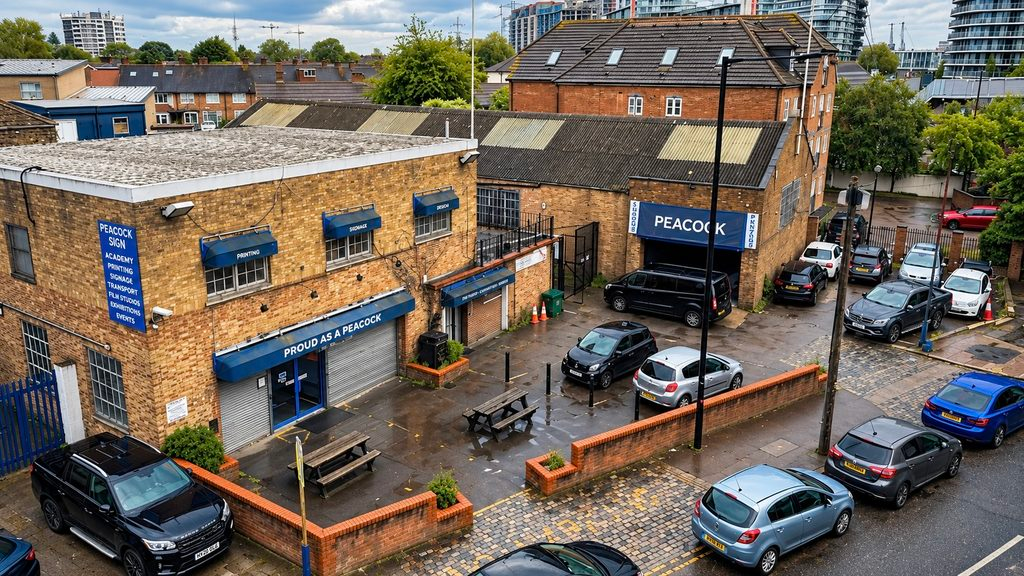
One of the more memorable locations was Peacock Gym in Canning Town, a well-established East London boxing gym with a rich history in British boxing.
The gym’s authentic atmosphere and character made it a particularly interesting location for the series, providing a genuine East London setting that would have been difficult to recreate on a soundstage.
FOLD Nightclub – East London
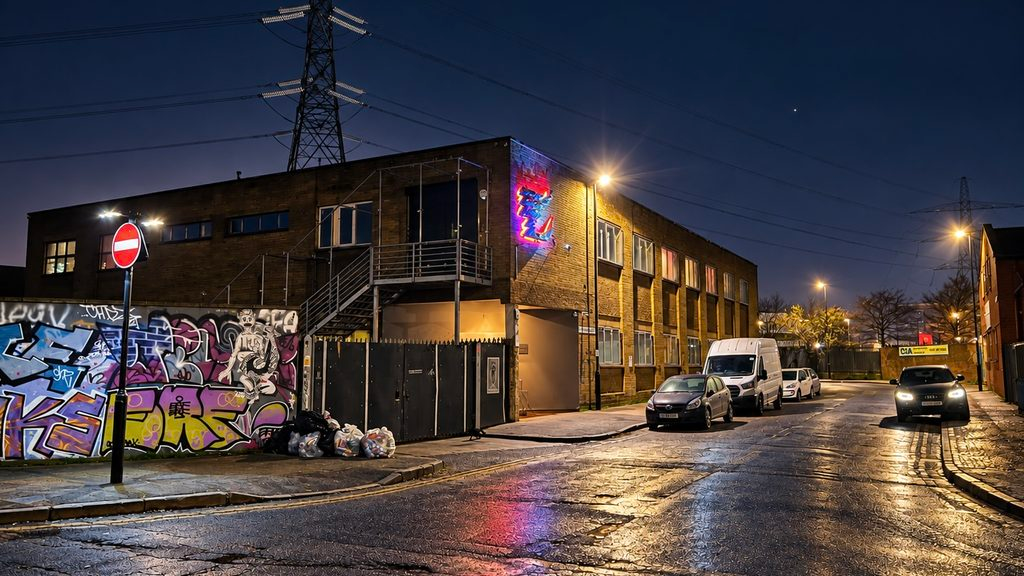
Another distinctive location was FOLD, the underground electronic music venue in East London.
With its raw industrial architecture and atmospheric interiors, FOLD offered a very different environment from the grand houses and luxury apartments featured elsewhere in the series.
Its character made it a natural fit for the darker side of the MobLand story.
Harry’s Penthouse Apartment – Charing Cross, London
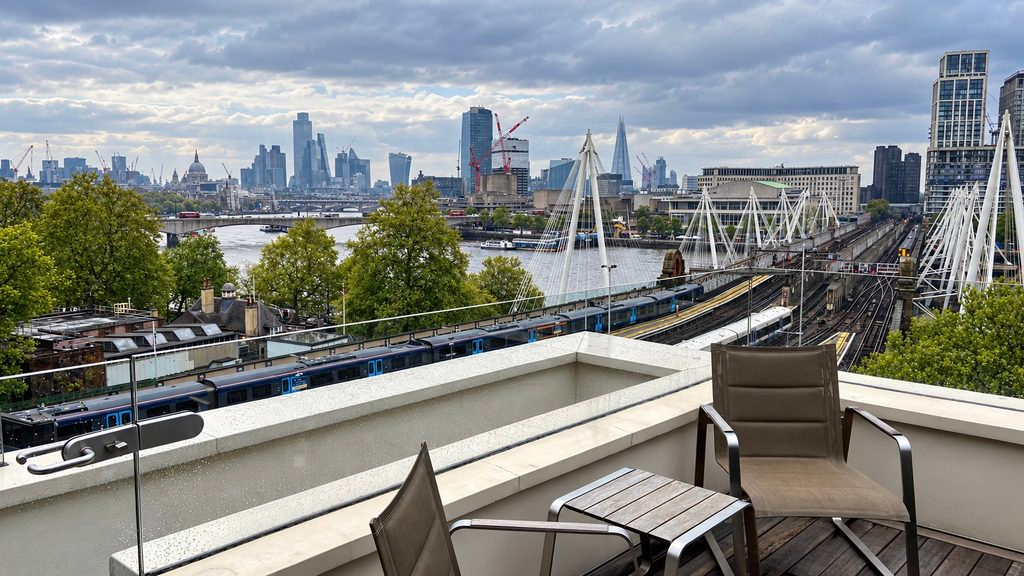
The luxury penthouse apartment used as Harry Da Souza’s home, played by Tom Hardy, was located in the Charing Cross area of central London.
The apartment provided a striking contrast to many of the industrial and street locations used throughout the series, reflecting Harry’s position within the world of the Harrigan family.
Finding a property that worked both creatively and practically was particularly important, especially for a principal character’s home that would feature prominently throughout the series.
Lu Lu’s Club – Mayfair, London
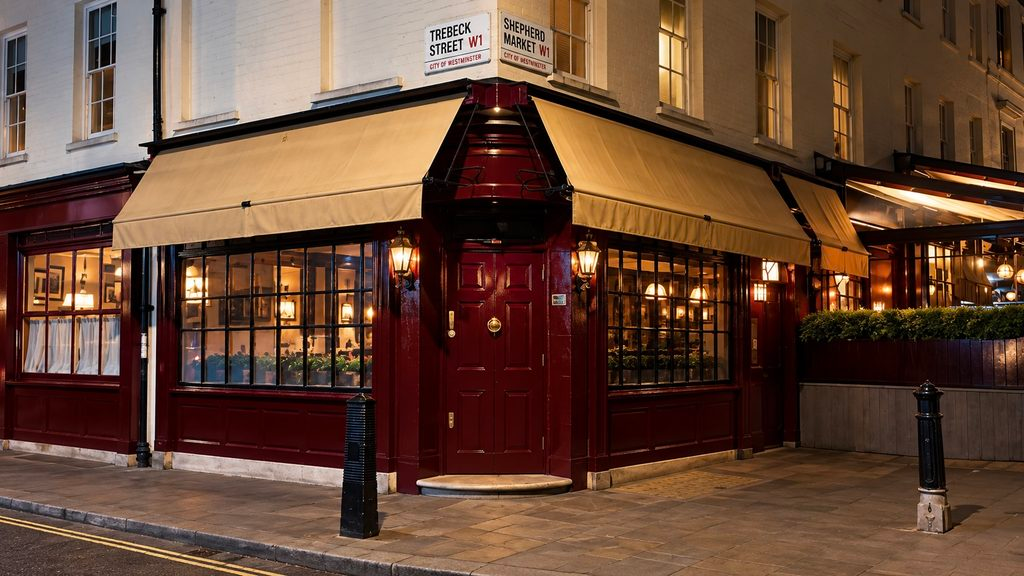
Another memorable filming location was Lu Lu’s Club in Mayfair, the exclusive London nightclub.
Situated in one of London’s most prestigious neighbourhoods, the venue provided a sophisticated and intimate setting that reflected the wealth and influence of the characters.
The contrast between locations such as Lu Lu’s Club and the industrial landscapes of East London was an important part of establishing the different worlds within the series.
Reading Prison – Berkshire
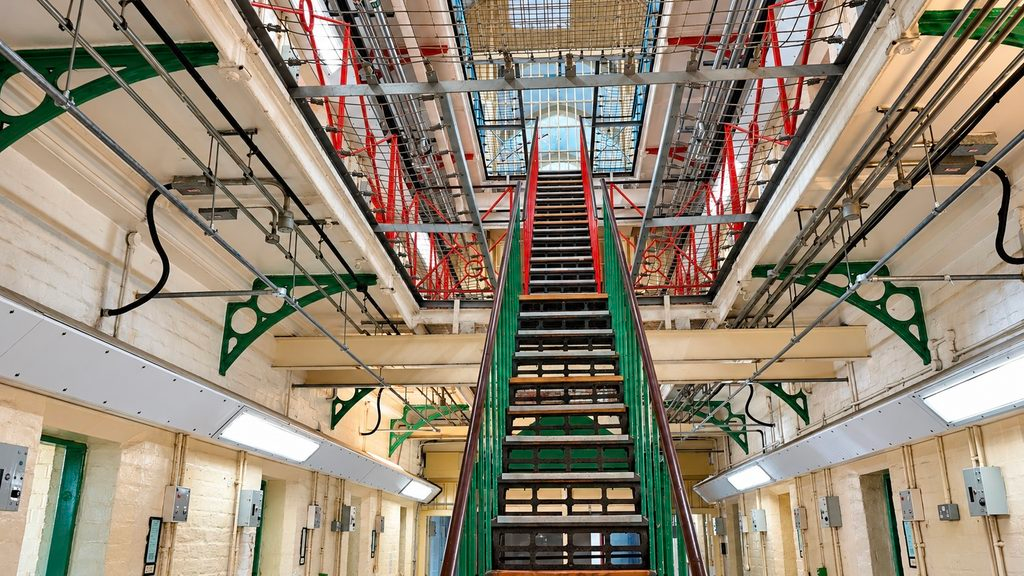
Another remarkable location was the former Reading Prison, perhaps best known for its association with Oscar Wilde, who was imprisoned there between 1895 and 1897.
Wilde’s experience at Reading inspired his celebrated poem The Ballad of Reading Gaol.
The prison’s Victorian architecture, original cells and imposing corridors provided an atmospheric and historically significant setting for MobLand Season 1.
Filming in a location with such a remarkable history added another dimension to the production.
Finding the MobLand Filming Locations
Working closely with Production Designer Andrew Purcell and the directing team, including Guy Ritchie, we searched extensively for locations that could bring the scripts to life.
Ritchie’s distinctive visual style, particularly his use of London’s streets, architecture and industrial landscapes, was a natural fit for the world of MobLand.
One of the biggest challenges was the sheer variety of environments required. On any given week, we could be preparing a luxury penthouse, an underground nightclub, a boxing gym or a sprawling country estate.
Each location presented its own challenges, not only creatively but also logistically.
A location might look perfect on camera, but it still needed to accommodate the demands of a large production, including crew access, technical equipment, parking, security and the movement of vehicles.
With so much of the series filmed on location, the department was continually scouting, negotiating and preparing new locations while filming was already underway.
The Challenges Behind Filming MobLand
MobLand was undoubtedly one of the most demanding productions I’ve worked on.
The volume of locations, combined with an evolving schedule and scripts arriving relatively late in the process, meant that we often had to work at considerable speed.
There was very little opportunity to get ahead, with the location department frequently preparing upcoming scenes while simultaneously managing those already in production.
Filming across central London presented its own challenges, particularly in busy areas where permissions, parking, access and the impact on neighbouring businesses and residents all had to be carefully managed.
The country estates brought a completely different set of considerations, from protecting historic properties to accommodating the substantial infrastructure required for a major television production.
Despite these challenges, the variety of locations became one of the defining features of the series.
Bringing the World of MobLand to Life
One of the most rewarding aspects of location management is seeing how a location develops from the initial scout into the finished scene.
A building or property can look quite ordinary when first visited, but through the combined work of the production designer, art department, cinematographer and directing team, it can become something completely different on screen.
For MobLand, this transformation was particularly striking.
The contrast between grand country estates, exclusive Mayfair venues, luxury apartments and the industrial streets of East London helped create the distinctive atmosphere of the series.
Looking Back at MobLand Season 1
From the earliest scouts through to the final days of filming, MobLand was an ambitious, demanding and constantly evolving production.
It was also an opportunity to work with an extraordinary variety of locations, from some of London’s most exclusive properties to its more industrial and lesser-known corners.
Seeing the finished series and how those locations contributed to the world of the Harrigan family was particularly rewarding.
For further insight into the locations featured in Season 1, see my Time Out interview about MobLand filming locations.